From Concept to Completion: Our Comprehensive Deck Building Process
The deck building process involves a series of important phases, all aimed at transforming a vision into reality. It begins with understanding personal preferences and progresses through careful material choices and detailed planning. Following local regulatory requirements is critical to keeping the project on track. Quality and precision remain the primary focus throughout the construction phase. As work advances, purposeful improvements transform the outdoor environment. What elements will truly make this outdoor retreat unique? The next steps hold the answers.
What's Your Dream Deck Look Like?
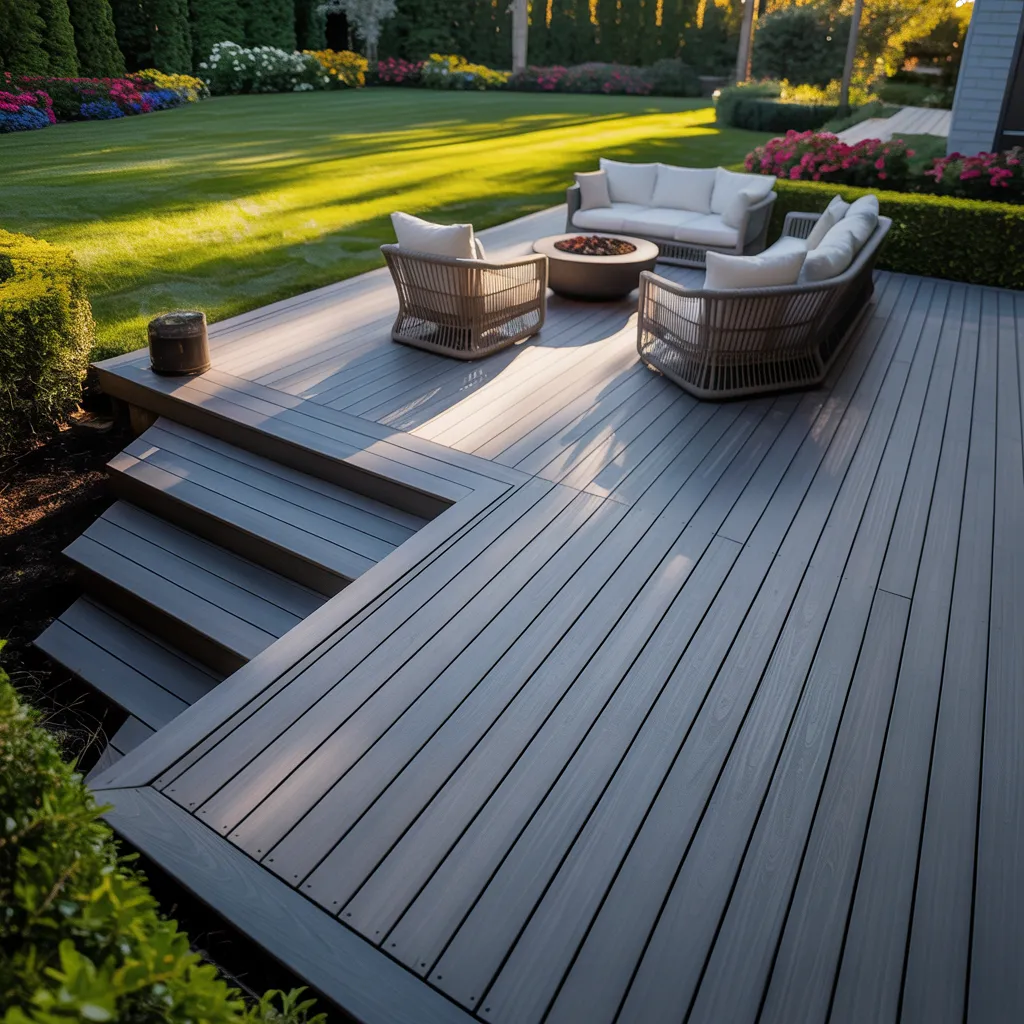
What elements define a perfect deck for a homeowner? An ideal deck typically embodies personal style and functional needs. Design factors can include color schemes, railings, and flooring materials that harmonize with the home's architecture. The overall design serves a critical purpose; whether it features an expansive space for gatherings or an intimate corner for relaxation, the plan should be tailored to intended functions.
Furthermore, elements such as integrated seating, shade installations, or ambient lighting enhance usability and ambiance. Consideration of the surrounding landscape is essential, as the deck needs to flow effortlessly with the outdoor setting while delivering unobstructed sightlines and convenient accessibility.
Functionality is paramount; the deck must withstand weather conditions and accommodate various gatherings. At its core, the optimal deck combines aesthetics, functionality, and longevity, creating an outdoor space that aligns with the owner's unique needs and desires. In this way, it becomes not just an addition to the property, but a customized sanctuary.
Selecting Premium Materials for Your Deck Construction Project
Selecting premium materials is critical to creating a dream deck. The choice of materials greatly affects the deck's lifespan, visual appeal, and upkeep needs. Widely used options include pressure-treated wood, composite decking, and hardwoods, each offering distinct advantages. Treated lumber is budget-friendly and long-lasting, suitable for different weather conditions. Engineered composites, made from recycled wood and plastic components, provide easy care and protection against decay and pests, establishing them as an popular selection for a wide range of homeowners. Premium hardwoods, while pricier, offer exceptional elegance and durability, perfect for those looking for a luxurious finish. Moreover, fasteners, railings, and decking boards should be chosen with care, guaranteeing they match the overall design while maintaining structural integrity. In the end, committing to high-quality materials will improve the deck's durability and visual charm, guaranteeing it stays a beloved outdoor retreat for the long term.
Designing Your Deck Layout and Key Features
When considering deck layout and design elements, it is crucial to evaluate the exterior space to ensure optimal utilization. Deliberate choice of materials can enhance both aesthetics and functionality. Additionally, designing a layout that accommodates various activities will optimize comfort and usability.
Analyzing Your Outdoor Space
How can someone properly examine their outdoor space before initiating a deck-building project? The first step includes taking measurements of the space to establish the measurements and layout that will best suit a deck. Evaluating existing structures, such as pathways, trees, and fencing, is essential for ensuring the design blends with the surroundings. Additionally, evaluating natural light conditions can determine the placement of the deck for optimal light and shade balance. Identifying the helpful resource intended purpose of the deck—whether for entertaining, relaxation, or gardening—further informs the layout and features. Finally, taking local zoning regulations and potential permits into account ensures adherence to regulations and prevents future issues. This comprehensive assessment lays a solid foundation for a effective deck design.
Picking the Right Materials
The key to building a great deck depends on selecting the right materials, as this decision impacts both aesthetics and durability. Various materials are available, each offering unique benefits and drawbacks. Traditional wood provides a warm, natural look but needs routine care to guard against decay and color loss. Composite decking, made from recycled materials, offers longevity and low maintenance, yet it may fall short of capturing wood's genuine aesthetic. PVC decking is another option, recognized for its ability to repel moisture and stains, making it a perfect fit for damp environments. Moreover, railing systems and decorative elements should align with the chosen materials, enhancing overall design. At the core, picking materials that suit the preferred look, maintenance expectations, and environmental factors is vital for a prosperous deck endeavor.
Crafting Functional Layouts
A well-designed deck layout enhances both usability and pleasure of open-air environments. When designing a deck, it is necessary to consider the planned purpose, whether for socializing, resting, or cultivating greenery. Essential components such as seating arrangements, pathways, and shade structures should be deliberately situated to make the most of available area and ease.
Integrating distinct zones can help delineate areas for lounging, cooking, and dining, facilitating a natural flow between spaces. Moreover, the orientation of the deck relative to the prevailing winds and sun can shape planning decisions, ensuring ideal conditions year-round.
In the end, a functional layout not only reflects the homeowner's daily life but also harmonizes with the neighboring landscape, establishing a seamless expansion of the home that is both useful and beautiful.
Secure Your Permits and Understand Local Regulations
Prior to starting construction, it is essential to investigate local rules and regulations for deck building. Understanding these rules helps guarantee compliance and avoid potential fines. Additionally, obtaining the necessary permits is a critical step in the deck building process.
Review Local Rules and Regulations
How can homeowners guarantee their deck construction project adheres to local laws? The initial step requires thorough research into local regulations dictating deck construction. Homeowners should check municipal websites or speak with local building departments to familiarize themselves with specific zoning laws, setback requirements, and height restrictions. Additionally, they must be aware of any homeowners association (HOA) guidelines that may impose further limitations. Local codes often outline materials, safety standards, and construction methods, so thorough comprehension is essential. Engaging with neighbors can also offer information about past projects and potential challenges. By proactively gathering this information, homeowners can ensure their deck design meets legal requirements, ultimately facilitating a smoother construction experience and avoiding potential disputes or penalties.
Obtain Necessary Permits
Obtaining the necessary permits is a vital step in the deck construction process. It confirms compliance with municipal regulations and safety codes. Residents must first contact their local authorities to determine specific requirements, as these can vary markedly by location. In most cases, permits may involve providing detailed plans, including materials and dimensions, to local authorities for official approval. This stage often includes official inspections to verify that the construction meets local building codes and zoning requirements. Failing to obtain the appropriate permits can result in penalties, mandatory removal of the deck, or delays in the project timeline. As a result, understanding local regulations and securing the necessary documents is critical for a legally compliant and successful deck installation.
Creating Your Deck: Step-by-Step Instructions
Constructing a deck demands a clear and methodical approach that ensures a durable and attractive structure. The procedure starts with ground preparation, which involves removing debris and grading the surface. Following this, the base is established, typically using concrete footings to ensure a solid foundation. Once the footings are in place, the copyright board is fastened to the house, providing a stable connection for the deck.
After this step, the structure is assembled using durable treated timber, which includes beams and joists to reinforce the deck surface. Upon completion of the framing, the decking planks are laid down, commonly arranged in a design that elevates the overall appearance. Railing systems are then incorporated for safety and style, guaranteeing adherence to local building regulations.
In the final stage, the deck undergoes careful examination to verify the overall structural integrity. In this critical phase, meticulous attention to detail is vital, as it builds the basis for a sturdy outdoor living space that can withstand the forces of nature.
Customizing Your Deck: Accessories and Decor
What components can convert a basic deck into a private haven? Thoughtful decor and accessories play a vital role in this transformation. Patio furniture, including elegant lounge chairs and dining sets, establishes an inviting environment. Adding soft furnishings like pillows and throws in lively hues or prints brings warmth and decorative interest.
Lighting serves as another critical element; string lights or lanterns can create a warm ambiance for evening gatherings. Potted plants or vertical gardens not only improve the overall look but also incorporate natural features that can reduce the harshness of solid surfaces.
Personalized details, such as tailored signage or original art displays, demonstrate individual flair and make the space truly one's own. Additionally, adding functional amenities like fire pits or alfresco kitchens can boost the deck's practical appeal, establishing it as a go-to location for rest and social occasions. Collectively, these combined details come together to form a truly personal outdoor haven.
Common Questions and Answers
How Long Does the Entire Deck Building Process Usually Take?
The full deck building timeline usually requires two to six weeks in total, depending on factors such as design complexity, weather conditions, and material availability. No two projects are alike, greatly affecting the total timeframe.
What Can You Expect to Pay for a Custom Deck?
The usual cost range for a custom deck varies widely, generally falling between $15 and $50 per square foot, depending on the materials used, the complexity of the design, and local labor rates, impacting the overall budget significantly.
Do You Offer Warranties on Your Deck Construction?
Yes, warranties are provided for deck construction, offering protection from defects and delivering peace of mind. Specific terms and duration may vary, giving customers the flexibility to choose coverage that aligns with their personal needs and preferences.
Can a Deck Be Built During the Winter Months?
Absolutely, constructing a deck in the winter season is doable, but it requires specific planning. Winter weather can affect the materials and installation methods, so proper planning and suitable techniques are vital for proper construction during winter.
What Is Your Approach to Unexpected Issues During Construction?
Unforeseen challenges during construction are handled through proactive communication, on-site evaluations, and adaptable problem-solving approaches. The team evaluates alternatives, collaborates with clients, and implements effective solutions to minimize disruptions and maintain project timelines.